
Cultural Pavilion · Martin, Slovakia
molo
pavilion
Parametric architecture · Repeatable rib system · Universal connector · Design for Disassembly
The brief
A cultural pavilion for the town of Martin — negotiated with the municipality, designed, and built. I had just come back from Austria and the R&D years at Bene, full of the conviction that everything was possible. I was already drawing for TON's design competitions, the door to my best client slowly opening. MOLO was the project where the system thinking I had been absorbing got built at architectural scale, in my own town.
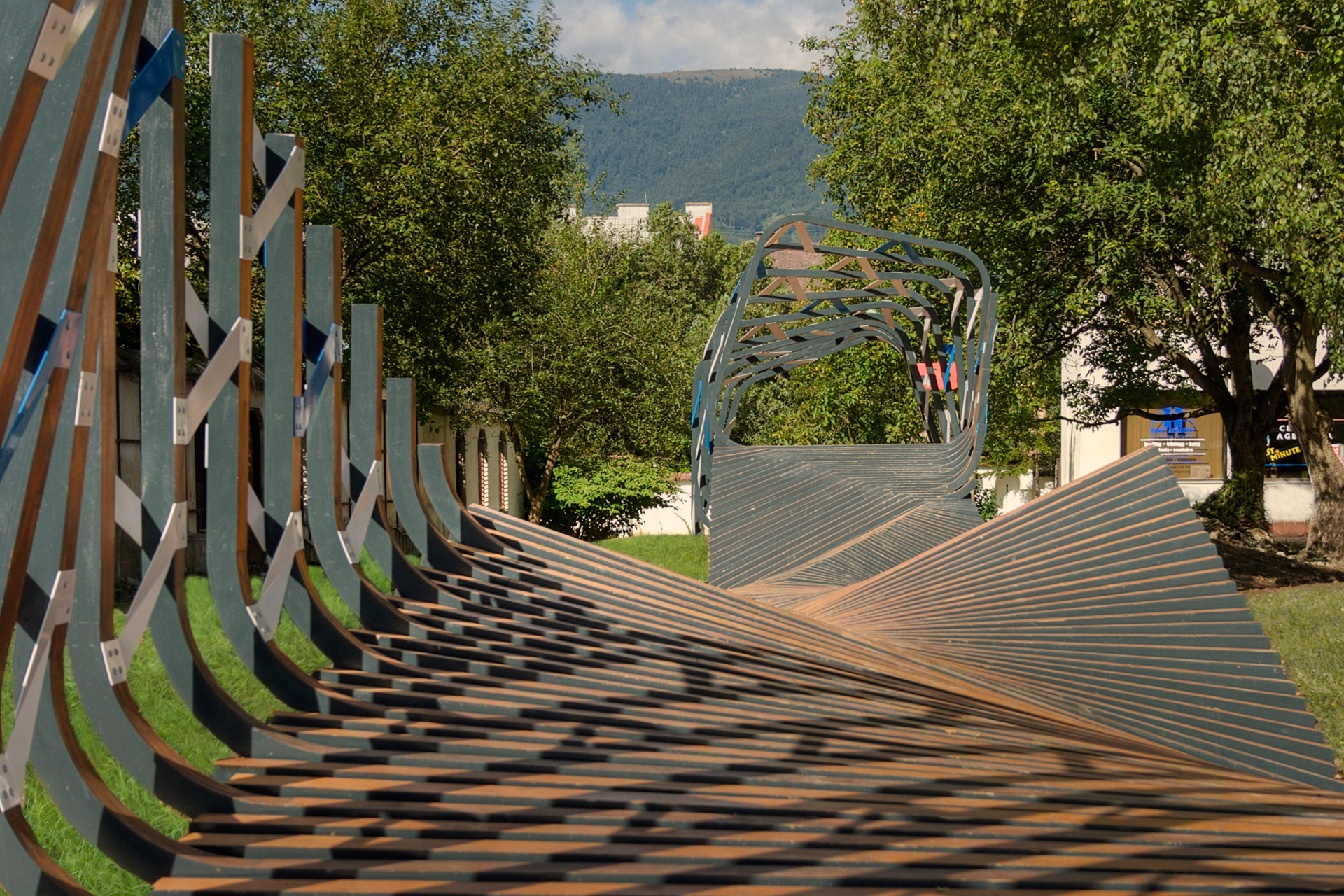
One rib, one connector
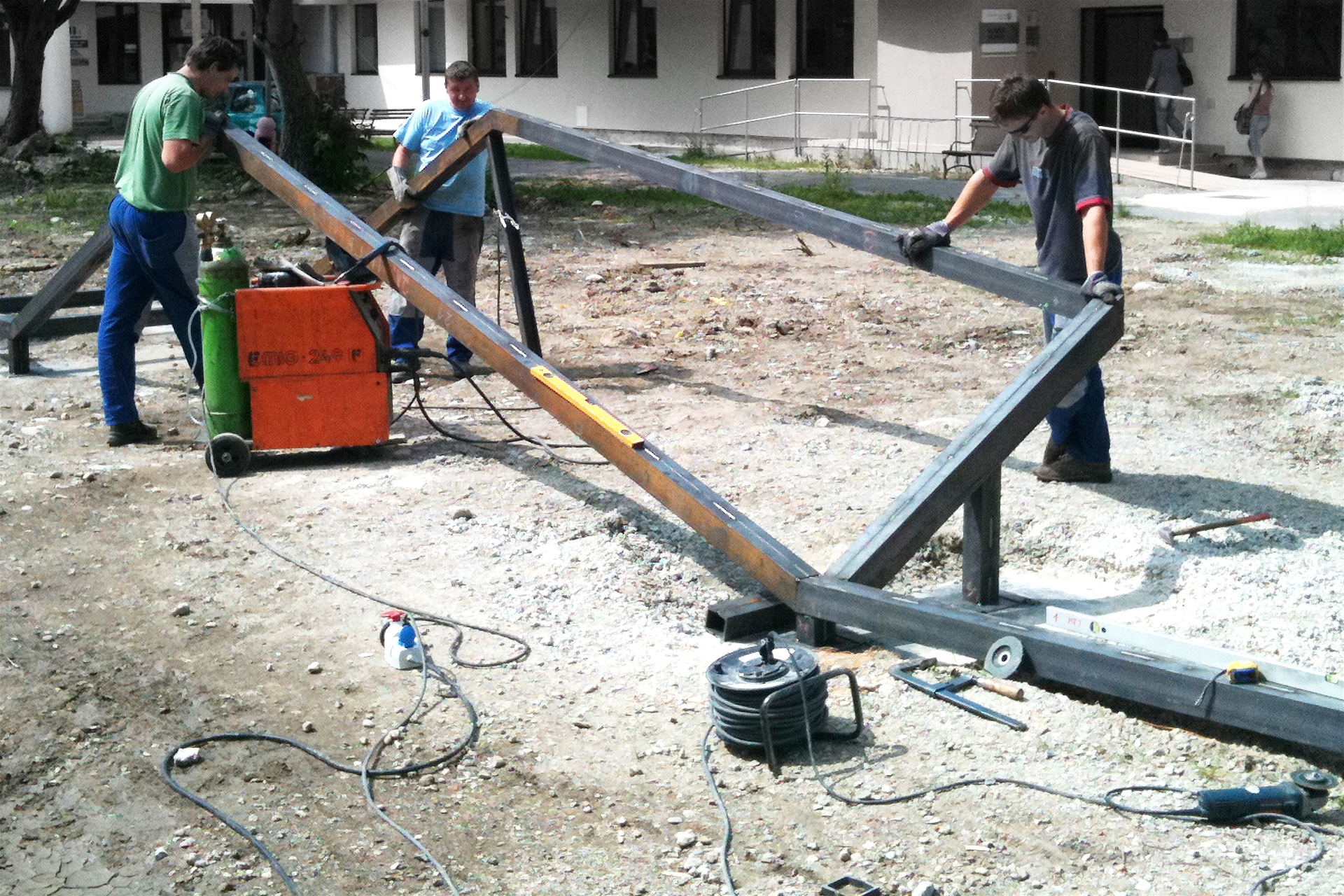
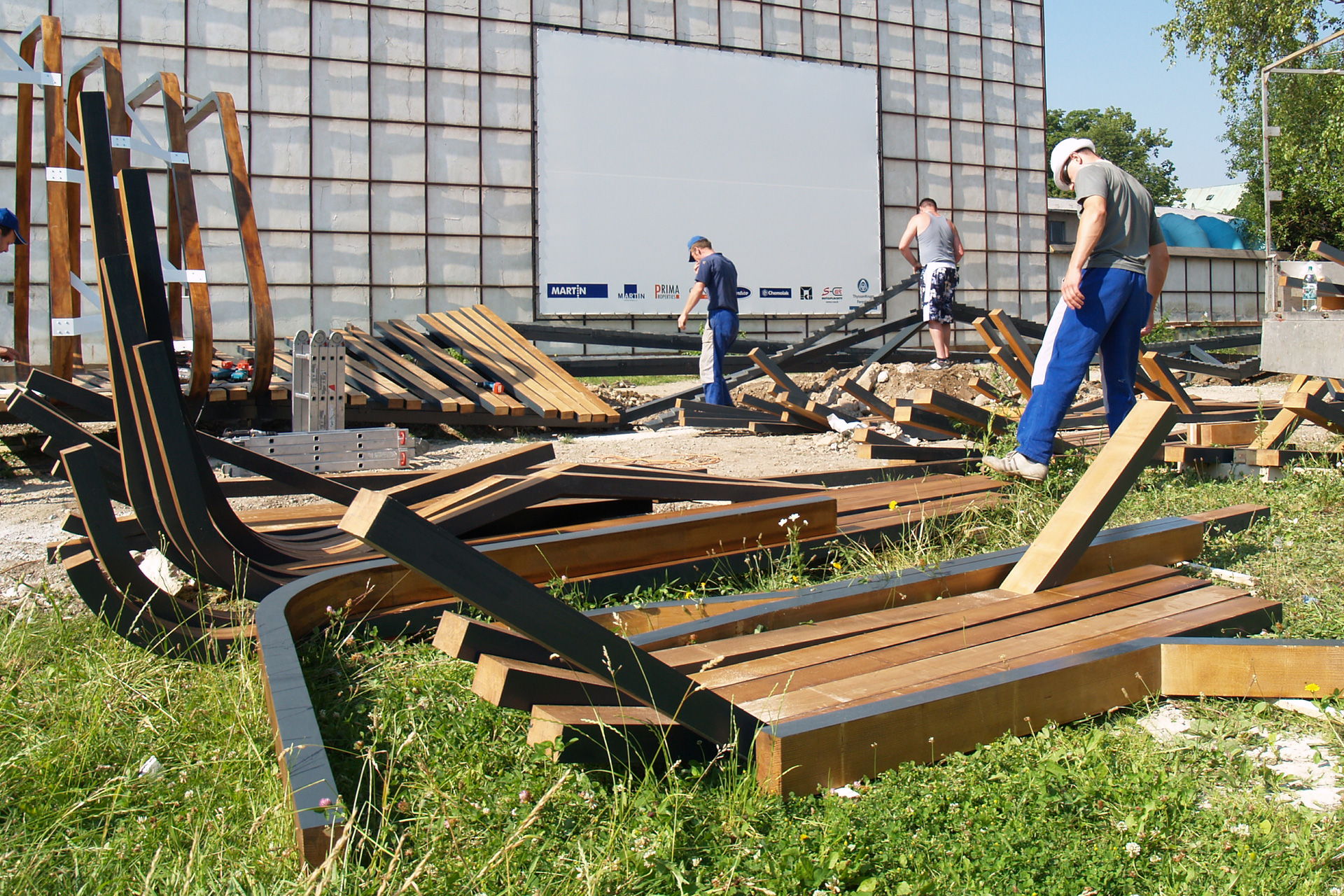
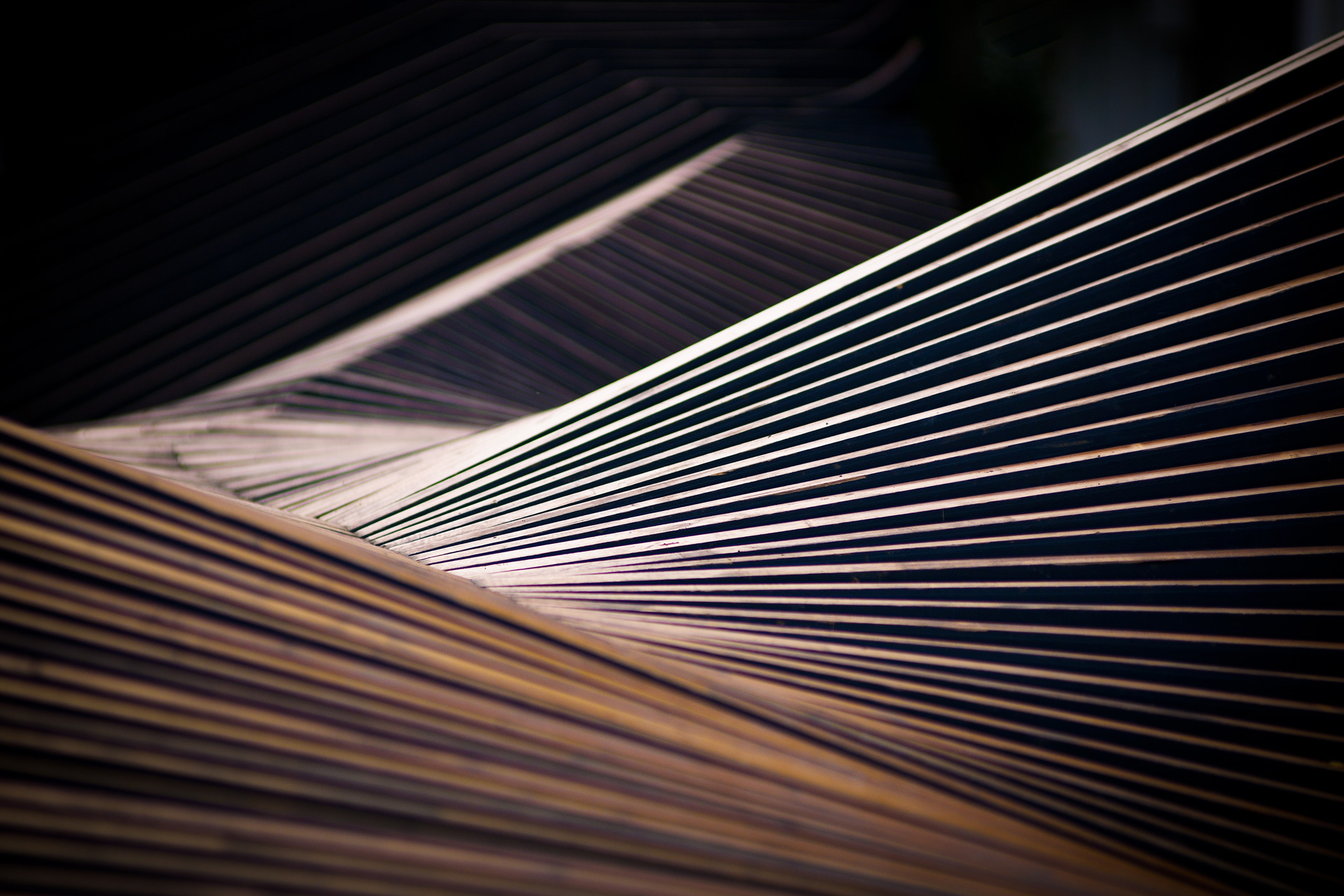
The pavilion is built from a single repeatable timber rib and one universal CNC-cut metal connector. From those two components — repeated, rotated, varied — the whole curved form emerges. There is no bespoke structure hidden inside it. The system is the architecture.
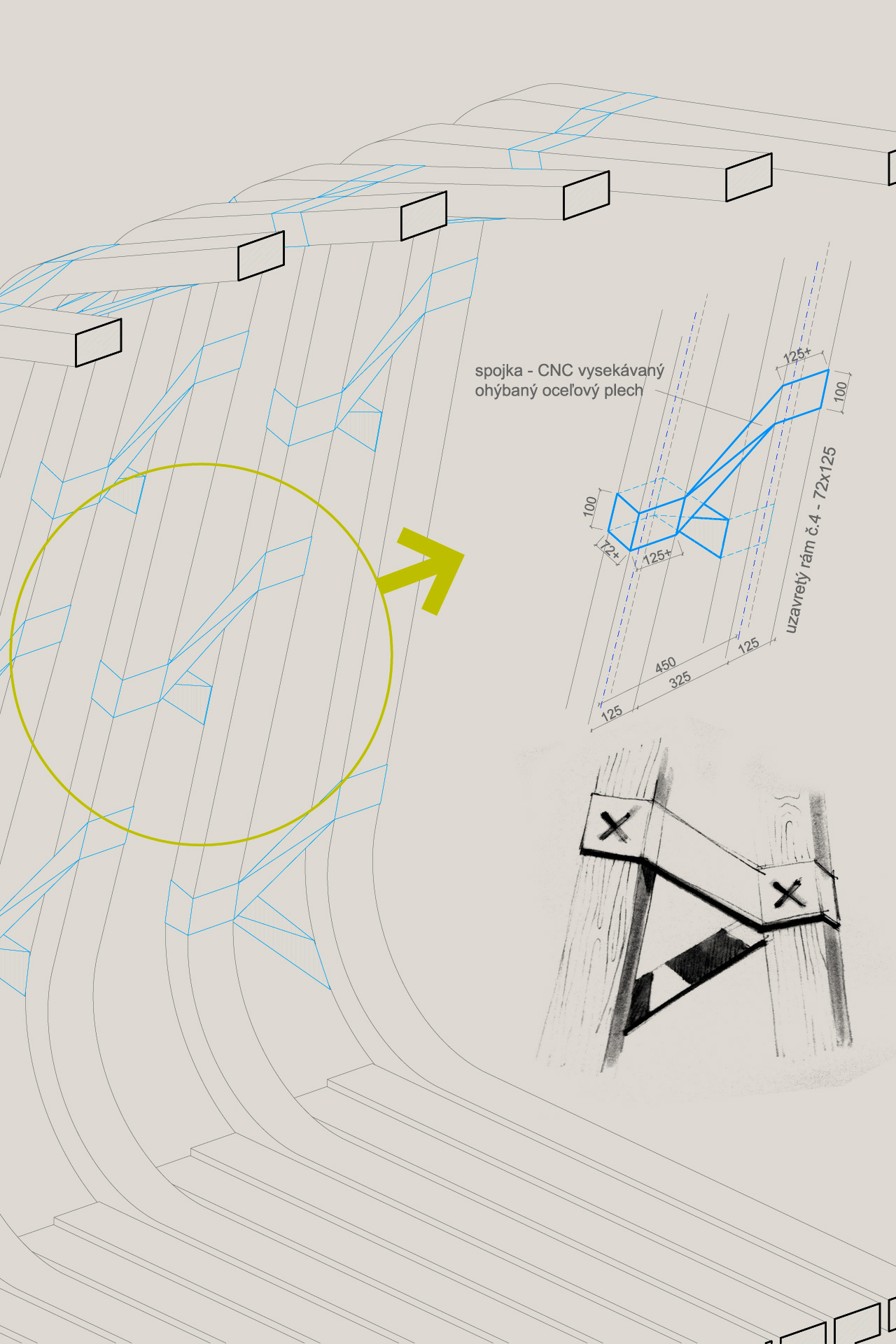
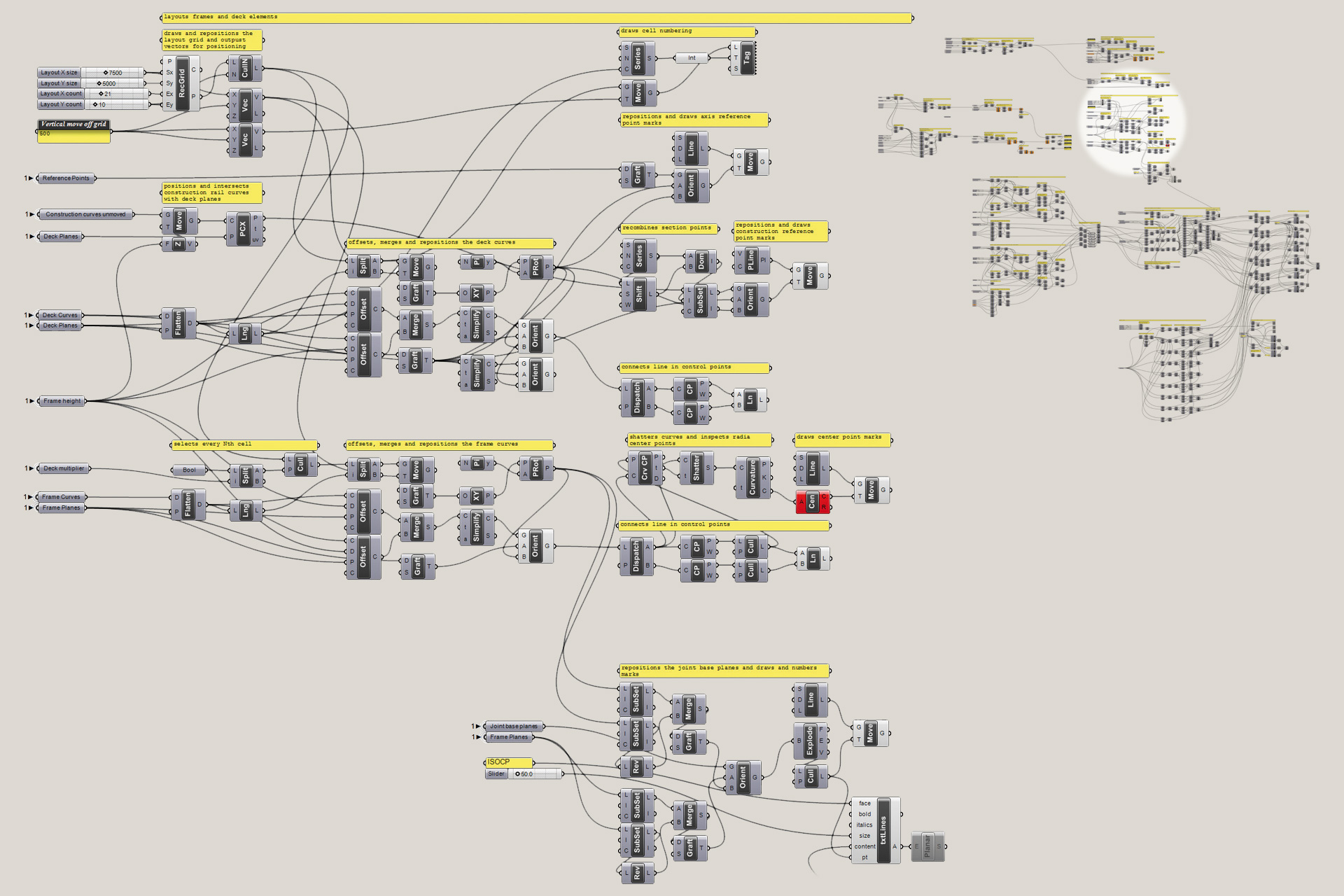
I designed the elements: the rib profile and the connector that joins them. The parametric engine that turned those elements into a buildable, fine-tunable whole was built by the architect Martin Lepej — a friend — in Grasshopper. He owned the definition; I owned the components. The pavilion is what happened when those two halves met.
Built to come apart
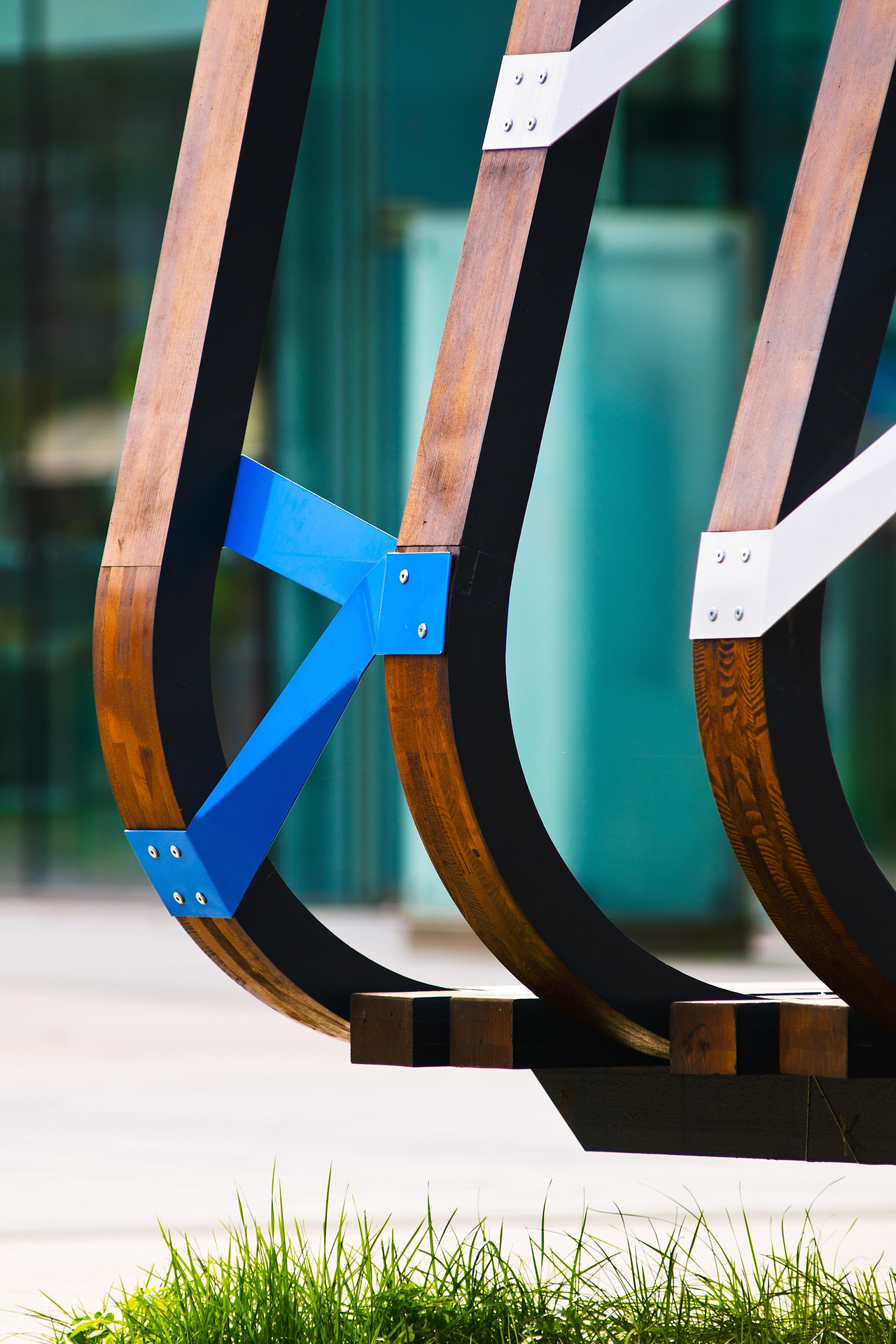
MOLO stood and was used for around five years, then was fully disassembled — by design. Every rib came apart at its connector, cleanly, leaving the site as it was found. At the time we simply called it temporary architecture. The discipline it required — that every joint be reversible, every component accountable — is what the industry now calls Design for Disassembly. The connector that built it was also the connector that let it leave without a trace.

A workshop, not just a build
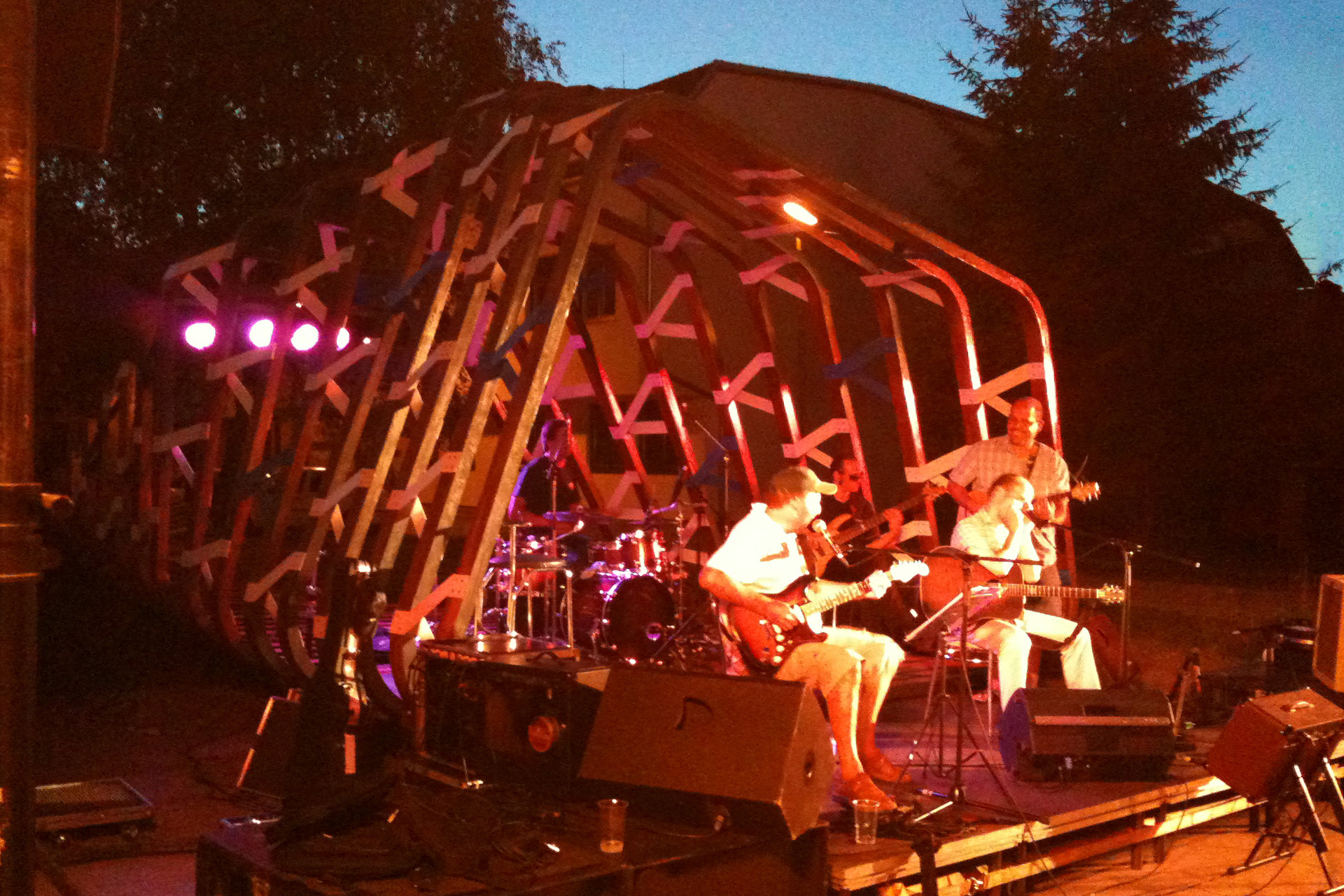
The build gave MOLO its structure; a workshop gave it a life. Once the ribs were up, an International Visegrad Fund workshop brought ten creatives together — not to construct, but to imagine what the pavilion could become: how to light it after dark, a canopy roof for the open front, poetry read beneath the timber, bands playing under the ribs. Some of it happened, some stayed proposal. Either way it is the clearest early picture of how I work best — define an open system, then orchestrate a group and a collaborator to take it somewhere none of us would have reached alone.

What it actually took
A pavilion doesn't get built because the drawing is good. Martin Lepej and I worked as a creative duo — his parametric definition, my components, complementary the whole way — but the thing still had to be carried from first sketch to the day it stood: negotiated with the municipality, budgeted, coordinated trade by trade on site. I brought in the partners who made it real — sponsors for the steel, the on-site electrical connection, materials a design fee alone would never have covered. None of it was streamlined, and none of it fits a job title. Designing the thing and then doing whatever it takes to get it built — that end-to-end resourcefulness is what has kept the practice afloat for twenty years, in a market where no one survives on desk-bound concepts alone.
Services demonstrated in this project
fractional art director
MOLO is system orchestration in its earliest pure form — defining the components and logic with a collaborator, then leading it from concept to standing structure: budget, sponsors for the material, trades on site, and a ten-person workshop on what it could become.
Fractional Art Directordesign brief preparation
The whole pavilion reduces to one rib and one connector — the manufacturing logic defined before any form, which is exactly what a good brief does.
Design Brief Preparationai and craft workshop
Parametric definition (Grasshopper) married to CNC fabrication and hand assembly — digital workflow and craft in one build, the combination I now teach.
AI and Craft Workshop